

Complete Guide to Construction Project Management
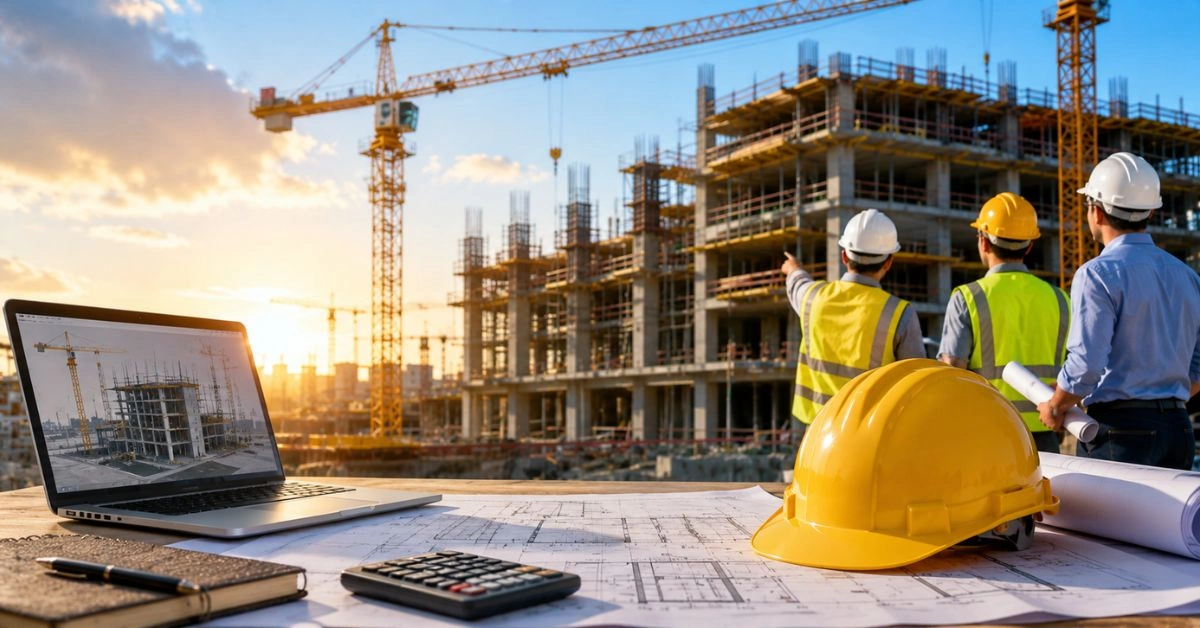
Construction project management refers to a structured method of planning, managing the construction project from its beginning until the end. It makes sure that the project is delivered in time, on budget and in accordance with specified specifications for quality. In a field where multiple parties, strict timelines, as well as large budgets the need for effective management. It isn’t an option, it is essential.
If it’s a residence or an enormous commercial building Project management is the core of execution. It lets resources be aligned, simplifies communication and helps reduce the uncertainty that can otherwise impede progress. If there is no clear framework for managing project even those with a good budget are susceptible to delays, cost-overruns as well as quality problems.
Key Phases of Construction Project Management
Each construction project has the same cycle of beginning, planning, implementation as well as monitoring and closing. Each stage has specific goals and requirements however, they’re all connected.
The initial phase determines the scope and viability of the project. The planning phase follows this by providing the schedules, budgets and the requirements for resources. The execution phase is where actual construction works begin, aided with continuous monitoring of the progress and resolve concerns in real time. In the closing stage, it assures that all delivered items are finished as per the specifications, then inspected and transferred to the right person.
Knowing these stages helps the project manager maintain control and make sure smooth transitions are made between stages.
Planning and Budgeting in Construction Projects
The planning and budgeting process is crucial for the successful completion of every construction venture. The first step is to define the project’s scope, planning expenses, and allocating the resources efficiently. An organized plan serves as a map, helping the team in each stage of the process.
Budgeting extends beyond making estimates of costs. It involves forecasting risks that could be incurred as well as establishing contingency funds as well as ensuring financial discipline through the duration of a project. A lack of planning during this stage can lead to delays or costs that are overbudget in the future.
An accurate cost estimate and the allocation of resources will ensure that the materials, workers, and other equipment is readily available whenever needed. This decreases the time of downtime and increases overall efficiency. It also allows the project to remain in the right direction.
Scheduling and Time Management
Construction time management is all about making reasonable schedules while ensuring the tasks are accomplished within specified deadlines. The well-organized schedule will include milestones, deadlines, as well as the interdependencies among different tasks.
The delays in a single phase could result in a negative impact on the project in general. This is why project managers employ strategies to keep track of the progress of their projects and make adjustments when needed. Monitoring regularly helps to detect bottlenecks earlier and stops problems that are minor from becoming significant problems.
A well-planned schedule also enhances the collaboration among teams, making sure that everyone is on the same page and striving for the same goal. This improves productivity and a timely delivery of the project.
Common Challenges in Construction Projects
Construction projects are often faced with many challenges which could affect timelines, cost and even the quality. The reason for this is the complexity of the field and the participation of many stakeholders.
- Overruns of costs resulting from inaccurate estimations, or unexpected expenses
- Delays in project implementation due to the weather or shortage of resources
- Teams and stakeholder
- Modifications to the scope of the project or design adjustments
- Issues with compliance and regulation
To tackle these issues, it requires an active approach to planning, a strong communications and efficient methods for managing risk. Being able to identify risks before they become serious will allow project managers to implement appropriate actions prior to problems escalating.
Best Practices for Successful Project Management
Proven Strategies for Builders and Contractors
A successful construction project management strategy relies on the mixture of strategic planning and controlled execution. One of the most crucial methods is to ensure that there is a clear and consistent communication between all teams. If everyone is aware and in sync, the likelihood of delays and miscommunication can be significantly decreased.
Another important aspect is constant monitoring and assessment. Monitoring progress in relation to the project plan allows project leaders to spot any deviations and take the corrective actions quickly. It ensures that the project remains in line with its schedule and budget.
Utilizing modern technology and tools will also increase the efficiency. Digital tools aid in monitoring the progress of work, coordinating resources as well as enhancing collaboration. Furthermore, keeping an eye on quality control throughout each step ensures that the finished product is in line with industry standards and the expectations of clients.
Role of a Project Management Consultant
How Experts Improve Construction Outcomes
A project management consultant brings specialization and an external perspective to construction projects. They assist with planning, execution, and monitoring, ensuring that the highest standards are maintained throughout the entire project lifecycle.
Consultants are essential in identifying potential risks, optimizing resources, and enhancing overall efficiency. Their expertise enables them to foresee challenges and develop proactive solutions before they impact the project. This not only helps save time and costs but also improves the quality of the final outcome.
Developers and builders consulting with a professional can be a wise investment. This ensures a professional supervision and improves the chances of a successful project, particularly when it comes to large or complex development.
Final thought
Project management for construction is a complex process that requires meticulous planning, coordination, and execution. From setting project goals to managing resources and overcoming challenges, every element plays a critical role in ensuring success.
By following structured procedures, adopting best practices, and seeking expert support when needed, contractors and stakeholders can complete projects efficiently and effectively. A well-managed construction project not only meets deadlines and budget expectations but also delivers high-quality results and strong customer satisfaction.
If you’re looking to streamline your construction projects and achieve better outcomes, contact us to learn how expert project management can make a difference.