

Commercial Building Facade Design: Modern Ideas, Materials & Lighting Solutions
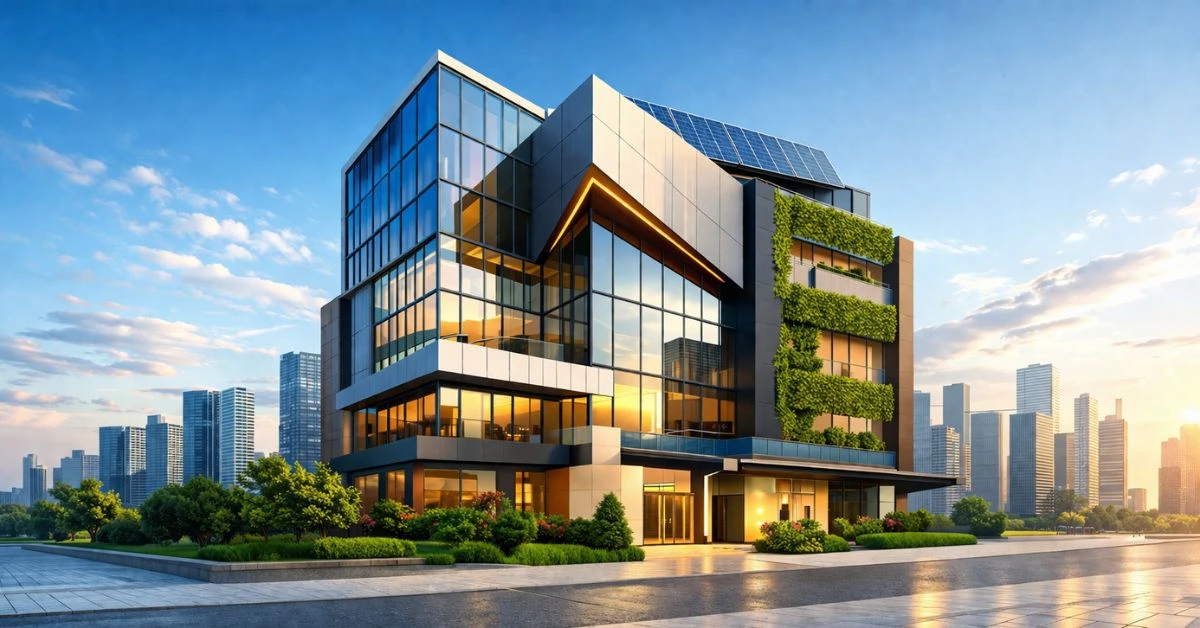
Commercial facade design is the external appearance of a building, which defines its aesthetic identity as well as functional functionality. It’s not only a cosmetic shell, but an essential architectural feature that affects efficiency in energy use the user experience as well as the perception of a brand. Modern architecture has facades that are designed to blend aesthetics and performance, making sure that structures are visually pleasing and efficient in their structure.
Importance of Facade Design
The facade is the initial point of interaction between the structure and its surrounding. It communicates the intent and character of the building in addition to serving practical functions including insulation, ventilation, or weather protection. For commercial structures, the façade design is even more important since it has a direct impact on image and perception of customers.
A properly designed facade can turn an ordinary structure to become an iconic landmark. Also, it improves the natural light and reduces the energy use and improves comfort in the indoors, which makes it an essential element in green architecture.
Key Elements of Modern Facade Design
Modern design for facades is driven by an amalgamation of performance, aesthetics and recognition. The architects carefully blend visual attractiveness with the ability for architecture that stands out and meet the needs of modern life.
Function, Aesthetics, and Branding
Popular Materials for Building Facades
The selection of materials is among the primary aspects of design for facades. It affects the longevity, maintenance, aesthetics as well as environmental performance. Modern commercial structures employ an amalgamation of conventional and modern building materials in order to attain desirable results.
Glass, Metal, and Concrete Options
Glass is extensively used due to its opacity and capacity to let in more the natural light. It gives a modern contemporary look that is often found in retail and office places. Metal panels, including steel and aluminum, offer the durability and versatility in design as well as a sleek industrial appearance. Concrete remains an excellent option due to its durability in thermal mass, its strength, and capacity to accommodate strong architectural shapes.
The materials used are usually mixed to form layers of facades that are practical and visually exciting.
Modern Facade Design Ideas
Modern façade design is characterized by simple lines, clear lines as well as innovative designs. The goal of architects is to develop aesthetic designs that make a statement yet still ensuring sustainability and efficiency.
Minimalist and Contemporary Styles
Simple facades emphasize the simplicity of their design, utilizing simple colors, flat surfaces with huge glass panels. This design style gives a neat and professional look, particularly ideal for office and corporate constructions. Modern styles, on the contrary, typically use geometric patterns, asymmetry and mixed materials in order to generate an aesthetic appeal.
The ideas for design are often utilized in urban areas in which buildings need to stand out in a way that maintains architectural harmony.
Facade Lighting Solutions
Types and Visual Impact of Lighting
Facade lighting consists of luminaires with LED strip lights, accent lighting as well as wall washing methods. The popularity of LED lights is thanks because of its efficiency in terms of energy consumption and its flexibility in design. Accent lighting is utilized to draw attention to specific architectural elements and wall washing gives the same illumination throughout the entire surface.
The effect of lighting is to transform buildings into a visual attraction in the evening, increasing their visibility and attracting urban environments.
Trends in Commercial Facade Design
Modern façade design is becoming inspired by sustainable and intelligent technologies. Architectural firms are working on design which adapt to the changing conditions of the environment and cut down on energy usage.
Smart and Sustainable Facades
Smart facades are based on flexible systems that alter lighting, shading and airflow according to the weather. Sustainable facades incorporate eco-friendly building components, solar panels and green walls in order to minimize the environmental footprint. They have shaped the future of architecture for commercial buildings by improving the efficiency of buildings and being ecologically responsible.